Class: 3/4
A long long time ago in the 1940s, where the outskirts of Singapore lived a young women named Sem. Sem was forced to drop out of school to support her father’s business of selling vegetables after her mother passed on.
The British had their naval base located shores of Singapore’s beach, where Sem and her family lived not so far away from.
On 14th February of 1945, the Japanese charged onto Singapore’s shores and threatened to take over this little British colonised country. The British sent all their troops back to Britain to support their country and had surrendered to the Japanese. Many men were injured while resisting the Japanese.
“Oh dear…” Sem muttered under her breath as her sharp ears perked up hearing the radio announcement about the surrender of the British. She sprung up on two feet and rushed towards her window, where she could clearly see what was going on the shore.
Before Sem could climb out of her window to help the wounded men on the shore, her father drew the curtains as he pulled on her wrist, hard. “Go out there if you have a death wish!” Her father warned sternly.
Sem being the ignorant girl she is, sneaked out of the house, snatched the vegetables stored on the porch and rushed to the men groaning in pain. Sem wanted so much to help them, but she was no doctor. “What can I do?” Sem thought to herself.
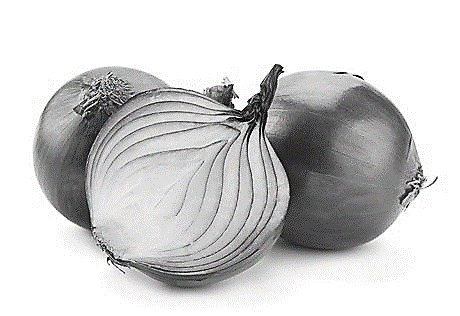
The onions that laid in the basket next to her caught her attention as she remembered how her mother used to ask her to clean the back of the wok with onions. Sem’s eyes immediately lit up as she proceeded to peel and break the onions into smaller pieces. She then went to one of the men and placed the onion on his wound. She then tore off the bottom of her sleeves and secured the onion on the man’s wound with the thin fabric.
That day, Sem saved the wounded men that laid on the shores of Singapore’s beach with onions. The news soon spread through the village, and people began to call the village “Sem’s bawang” which means Sem’s Onions in malay. And that village became the Sembawang we know of today.
 Writers by the River